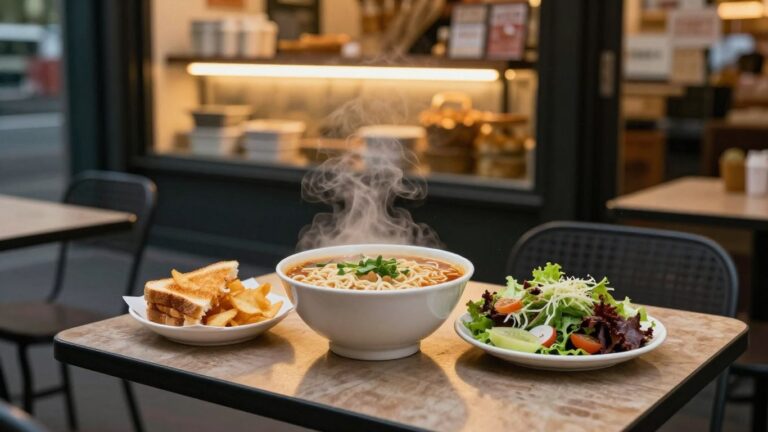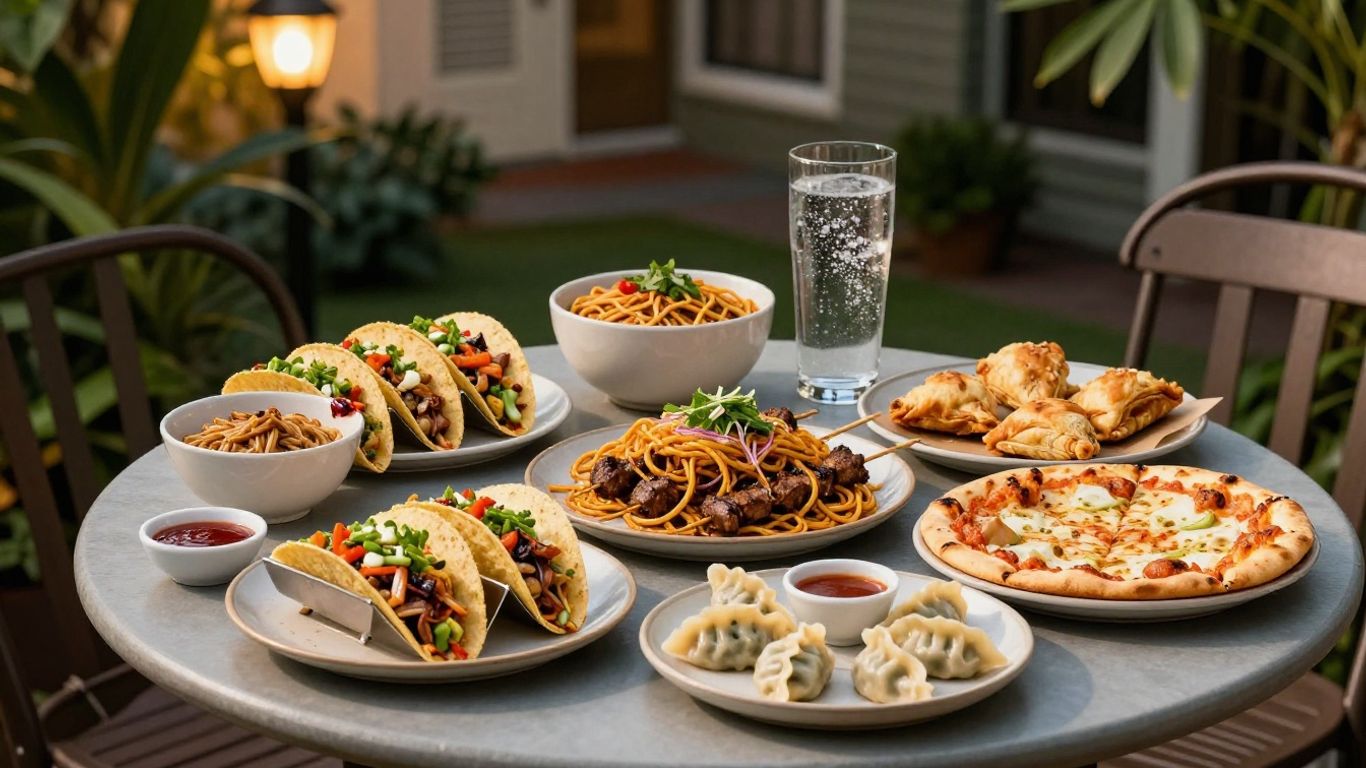
Late night eats guide: How to find great food after dark without settling for sad fries
Key Takeaways
Late-night eating is less about surrendering to sad fries and more about making a few smart choices before hunger starts making decisions for you.
- Decide whether you need a snack, a proper meal, or something gloriously excessive.
- Match the food format to your location, energy, budget, and remaining kitchen hours.
- Check kitchen closing times rather than trusting a restaurant’s advertised opening hours.
- Choose dishes that travel well and confirm ingredients before placing the order.
- Keep transport, hydration, and tomorrow morning in mind while you eat.
Know what you want before the cravings take over
A good late-night meal starts with a tiny bit of self-awareness. You do not need a grand food philosophy; you just need to work out how hungry you are, how far you want to travel, and whether you are after comfort or adventure. This late night eats guide is really about avoiding the first edible thing you see and finding something that feels worth being awake for.
The difference between a snack, a meal, and a midnight feast
A snack takes the edge off: a pastry, a few dumplings, or a modest serve of chips. A meal should leave you content without requiring a post-dinner lie-down, while a midnight feast is the full production, with sides, sauces, and perhaps a dessert that seemed unnecessary until it appeared on the menu. Calling the category correctly helps you order enough without ending up with either a lonely spring roll or a table crowded with regrets.
Matching your hunger level to the right food format
Your appetite should guide the format as much as the cuisine. If you are mildly peckish, a bakery, takeaway counter, or small-plates menu may be ideal; if you are truly hungry, seek a bowl, wrap, rice dish, or generous main that will not vanish in three bites. Delivery works well when you are tired, but dining in can make a bigger meal feel more deliberate rather than like an accidental raid on the fridge.
When greasy, spicy, sweet, or comforting is the correct answer
Sometimes you want crisp edges and salt. Sometimes only chilli, broth, melted cheese, or a warm dessert will do, and pretending otherwise is a waste of everyone’s time. Trust the actual craving, then balance it with one sensible choice, such as adding vegetables, choosing a smaller portion, or ordering water alongside the fun stuff.
Using your location, timing, and energy level as filters
A brilliant restaurant is not brilliant if it takes an hour to reach, closes before you arrive, or leaves you wandering a dark industrial strip in search of the entrance. Filter your options by distance, transport, current time, and how much patience you have left. The best choice is often the place that is open, busy, easy to reach, and still cooking the dish you want.
Choose the right late-night dining format
Different formats solve different late-night problems. A diner offers predictability, a food truck offers speed and personality, and delivery removes the need to put on respectable trousers. Look for the format that suits the evening rather than assuming every late-night meal needs a sit-down restaurant and a booking you forgot to make.
Diners and all-night cafés for dependable comfort food
Diners and all-night cafés are useful when you want a broad menu, a seat, and minimal fuss. Eggs, toast, burgers, grilled sandwiches, chips, and hot drinks are rarely thrilling on paper, but they can be exactly right after a long shift or a delayed train. You can also linger a little, which matters when the meal is partly about gathering yourself before heading home.
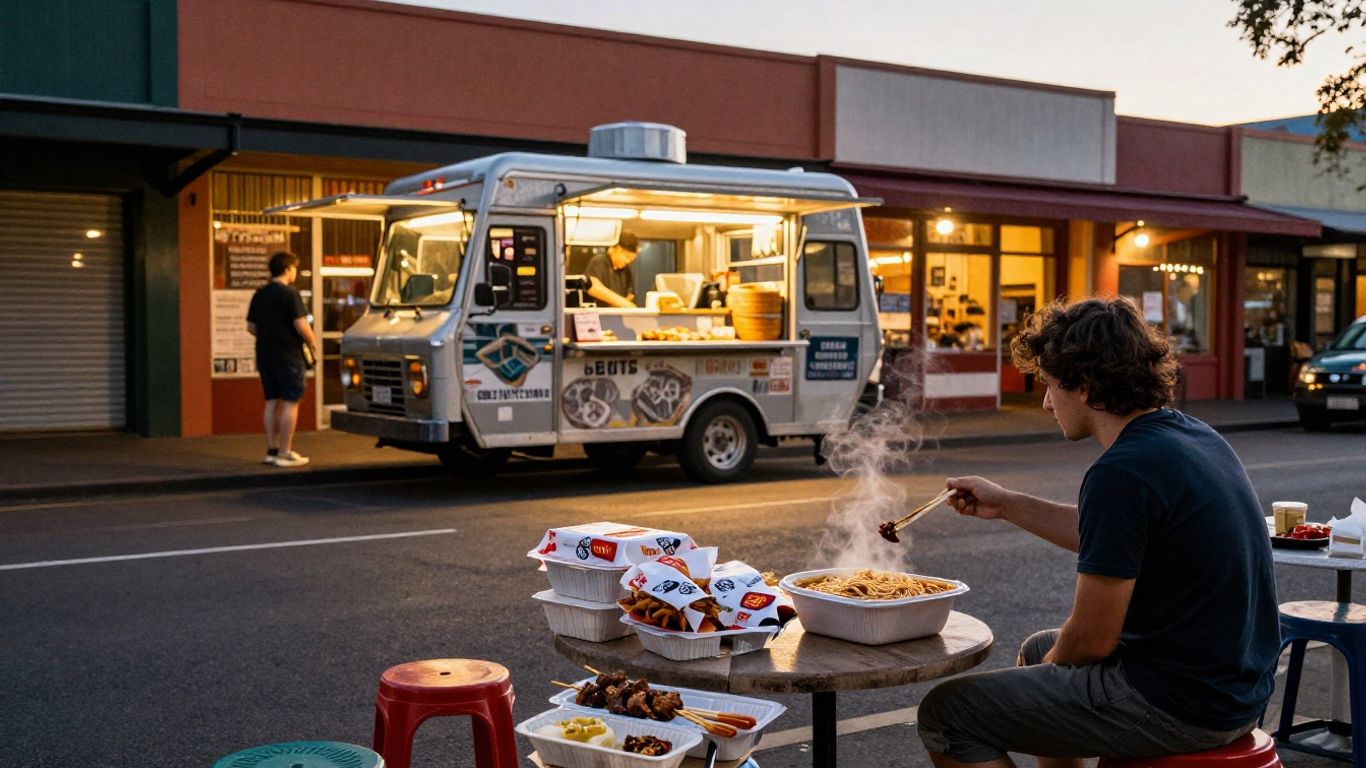
Food trucks and markets for maximum flavor with minimal ceremony
Food trucks and late markets reward decisiveness. You can usually see what is cooking, order quickly, and eat something with enough chilli, smoke, herbs, or crunch to wake you up again. They are particularly handy when you want a handheld meal and do not want to commit to a whole evening at a table.
Bars, pubs, and kitchens that keep serving after last call
A bar or pub kitchen can be a strong option, provided you check what remains available late in the service. The menu may narrow as the night progresses, but a hot pie, toastie, wings, or bowl of chips can still do the job. Be courteous to staff, order promptly, and remember that a kitchen closing soon is not the moment to debate every sauce.
Delivery, takeout, and drive-through options when leaving home is ambitious
When leaving home feels like an expedition, delivery or takeout is perfectly reasonable. Choose food that will survive the trip, check the estimated arrival before committing, and look at the full cost rather than the menu price alone. A drive-through can be efficient too, especially when you are travelling, but it is worth checking that the late menu still includes more than one lonely burger option.
Explore cuisines that shine after hours
Late-night food does not have to be a procession of identical fried sides. Suburban Melbourne can offer plenty of variety after dark, from smoky handheld meals to bowls that make you feel human again. Let the texture and temperature you want lead the way, then explore within that lane.
Tacos, kebabs, and other handheld heroes
Handheld food is built for late hours: easy to order, quick to eat, and forgiving if you are standing beside a car or perched on a bench. Tacos, kebabs, wraps, filled rolls, and grilled flatbreads can bring together protein, salad, pickles, sauce, and spice without requiring cutlery or perfect posture. Ask for sauces separately if you expect a slow journey home.
Noodles, dumplings, and brothy bowls for serious hunger
A bowl of noodles or broth can be restorative without being dull. Dumplings offer a smaller-plate route into a full meal, while noodles give you warmth, chew, and the option of adding vegetables or protein. These dishes are best when you are hungry enough to appreciate a proper meal but not keen on something overwhelmingly heavy.
Pizza, burgers, and fried chicken when classic cravings call
There is no prize for resisting the food you actually want. Pizza, burgers, and fried chicken are classics because salt, fat, crunch, and softness make a convincing argument at midnight. Improve the experience by choosing a fresh side, avoiding an order larger than your group can manage, and checking whether the food will be eaten immediately or transported across town.
Desserts, bakeries, and breakfast foods for the sweet-toothed night owl
Sometimes the night calls for custard, flaky pastry, pancakes, toast, or a milk-based drink rather than a savoury main. Bakeries and breakfast-oriented kitchens can be especially good when you have eaten earlier but still want a small finish. A warm pastry and coffee may be all you need, although ordering a second pastry for the journey is a perfectly understandable risk.
Find the best spots in your area
Finding late food is a practical research task, not a popularity contest. A venue may appear open but stop taking orders well before the doors close, while a small suburban favourite may quietly keep serving the neighbourhood. Use current information, read between the lines, and keep a backup option nearby.
Searching by closing time instead of opening hours
Search for places open now or closing late, then inspect the actual day and time. Weekend hours can differ from weekday hours, and a venue that stays open late on Friday may shut much earlier on Monday. Save two or three possibilities before leaving, because a little redundancy is comforting when your stomach is growling.
Reading recent reviews for clues about late-night service
Recent reviews can reveal whether the late shift is still welcoming, whether popular dishes sell out, and whether orders slow down near closing. You do not need to treat every complaint as gospel; look for repeated details and current comments. Mentions of limited menus, long waits, or unavailable ingredients are useful warnings rather than personal insults aimed at your evening.
Checking kitchen hours, not just the restaurant’s advertised hours
The dining room may remain open after the kitchen has stopped taking orders. Check the kitchen, takeaway, and delivery cut-offs separately, especially if you are arriving close to closing time. This small step prevents the classic late-night discovery: bright lights, unlocked doors, and absolutely no food available.
Spotting neighborhood hotspots versus tourist traps
A busy local crowd is often a useful sign, particularly if people are arriving for food rather than simply lingering. Look for a steady mix of workers, families, students, and regulars, and notice whether the menu makes sense for the area. Tourist-heavy locations are not automatically poor, but convenience, atmosphere, and price can change sharply once the usual daytime crowd disappears.
A quick comparison can make the choice clearer when several venues look similar:
| Check | What to look for | Why it matters |
|---|---|---|
| Hours | Kitchen and takeaway cut-off | Prevents a wasted trip |
| Distance | Travel time and transport | Keeps food fresher and the journey simpler |
| Menu | Dishes still available late | Avoids ordering from a reduced or outdated list |
| Recent feedback | Wait times and service notes | Gives you a more current picture |
After you compare those details, choose the option that still works if one thing goes slightly wrong. A nearby place with a shorter menu may beat a famous venue that requires a long detour and a heroic amount of patience.
Order strategically when the kitchen is winding down
Late-night ordering rewards a little restraint. Staff may be working with fewer people, certain ingredients may be gone, and a dish designed for immediate service may not survive a long delivery. You can still eat well; just order with the journey, timing, and remaining menu in mind.
Choosing dishes that travel and hold up well
Rice dishes, wraps, roasted items, dumplings, curries, and sturdy sandwiches usually travel better than delicate fried food or anything that depends on a crisp finish. Keep sauces separate when possible, and avoid stacking hot food under cold salad. If you are collecting the order, bring a level surface in the car and do not leave the meal cooling while you conduct three unrelated errands.
Avoiding menu items likely to suffer after midnight
Crispy food can soften, melting dishes can congeal, and ice cream can become a dairy puddle with ambitions. That does not mean you must avoid these foods; it means you should eat them promptly or choose a more travel-friendly alternative. A dish that is wonderful for dining in may be merely fine after twenty minutes in a container, which is a very late-night kind of disappointment.
Confirming substitutions, portions, and available ingredients
If an ingredient matters to the meal, ask before paying rather than hoping the kitchen can improvise. Confirm portion sizes, side dishes, spice levels, and whether substitutions are available. Clear questions save time for you and the staff, especially when the menu has been reduced or the kitchen is preparing to close.
Knowing when to order before the official closing time
Official closing time is not always the final moment an order can be prepared. Give yourself a buffer, particularly on weekends or during busy periods, and place the order while the kitchen is clearly operating. Arriving at the last possible minute may technically be allowed, but it can leave you with fewer choices and a meal made under needless pressure.
Eat well on a late-night budget
Late food can become expensive through small additions: a delivery charge, a minimum spend, an extra side, or a long rideshare home. You do not need to eat miserably to stay within budget. Compare the whole arrangement, then decide whether convenience is solving a real problem or simply charging you for being tired.
Comparing delivery fees, minimums, and surge pricing
Before ordering, check the final total and not just the advertised dish price. Delivery fees, service charges, minimum orders, and busy-period pricing can change the calculation quickly. Collection may be cheaper, but only if the trip does not cost more in time, transport, and effort than the fee you are avoiding.
Building a satisfying meal from sides and smaller plates
A few smaller dishes can be more enjoyable than one oversized main, especially when you want variety or are sharing. Combine something filling with something fresh, such as dumplings with greens, chips with a salad, or a small curry with rice. The trick is to build a meal deliberately instead of adding random extras because the ordering screen keeps suggesting them.
Finding happy hours, late-night specials, and combo deals
Look for specials on the venue’s own current menu, social pages, or booking information, and check the conditions carefully. A deal may apply only on certain nights, to dine-in orders, or before a particular time. If you know you will be eating late, planning around a genuine combo or reduced-price window can make the meal feel considerably less extravagant.
A simple budget check can keep the order from wandering off course:
- Pick the filling centre of the meal first.
- Add one side or snack that genuinely improves it.
- Check fees and minimums before choosing delivery.
- Stop when you have enough food for the people actually eating.
That final pause is surprisingly effective. You are allowed to enjoy the meal without turning a late craving into tomorrow’s lunch, unless leftovers were the plan from the start.
Deciding when convenience is worth the extra few dollars
Paying a little more can be sensible when you are exhausted, travelling, unwell, or finishing work late and need food without another task. It is less worthwhile when the fee buys only a minor shortcut and you have an easy, safe collection option nearby. Treat convenience as a choice with a price, not a moral failure or an automatic bargain.
Stay safe, satisfied, and ready for tomorrow
A good late-night meal should finish the evening, not create a new problem. Think about how you will get home, whether the venue feels comfortable, and what your body will thank you for in the morning. You can be indulgent and sensible at the same time; the two are not sworn enemies.
Planning transportation before the first bite
Work out your trip home before you sit down, particularly if you are travelling alone or eating somewhere unfamiliar. Check public transport, arrange a lift, nominate a sober driver, or use a trusted car service when needed. Once you are hungry and tired, decision-making becomes less impressive, so make the transport plan while your brain is still on duty.
Choosing well-lit, busy places for solo late-night dining
For solo meals, choose venues with visible entrances, staff around, and a steady flow of customers. Sit where you feel comfortable, keep your phone charged, and let someone know your general plan if you are travelling late. You do not need to be dramatic about safety; a few ordinary precautions make the whole meal more relaxed.
Balancing indulgence with hydration and dietary needs
Have water with the meal and consider what you have already eaten that day. If you have allergies or dietary requirements, confirm ingredients directly and allow extra time for the kitchen to answer properly. A late meal can be rich without being a dare, so add the vegetables, protein, or lighter option that will help you feel decent tomorrow.
Knowing when to call it a night—and order breakfast instead
Sometimes the smartest late-night choice is to head home and make breakfast your reward. If every nearby kitchen is closing, the journey feels unsafe, or you are too tired to enjoy the food, stop chasing the perfect meal. Toast, eggs, cereal, or a planned morning bakery run may be less exciting now but considerably better than a desperate order made purely because you refused to quit.
Conclusion
The best late-night meal is not necessarily the greasiest, biggest, or most famous one; it is the food that fits your hunger, timing, budget, journey, and mood. Check the kitchen hours, choose a format that suits the evening, and leave yourself a safe way home. Do that, and your next after-dark meal can feel like a small suburban victory rather than a surrender to sad fries.
Frequently Asked Questions
What counts as a late-night meal?
A late-night meal is any food eaten well after the usual dinner period, whether it is a full plate after a shift, a snack on the way home, or breakfast ordered before bed. The right size depends on your hunger and what you have already eaten.
How can you find food that is open late?
Search for venues open now, then check their kitchen, takeaway, and delivery cut-off times. Recent reviews and a quick call can clarify whether the advertised hours still match the service available that night.
Is delivery or takeaway better for late-night food?
Neither is always better. Delivery is useful when you are tired or far away, while takeaway can cost less and give you more control over timing. Choose based on distance, fees, food quality during transport, and how much energy you have.
What food travels best after dark?
Rice dishes, wraps, curries, dumplings, roasted foods, and sturdy sandwiches usually hold up well. Crispy foods, ice cream, and delicate fried items are better when you can eat them immediately.
How do you avoid overspending on a late-night order?
Check the full total, including fees and minimums, before ordering. Start with one filling main, add only sides you genuinely want, and compare collection with delivery if both are practical.
Should you order before a restaurant officially closes?
Yes, especially if you are close to the kitchen’s cut-off time. Ordering earlier gives you more menu choices and reduces the chance that ingredients have run out or the kitchen is already winding down.
What should you do if no good late-night options are open?
Choose a safe route home and keep a simple breakfast plan ready. A meal made from pantry staples, a morning bakery visit, or leftovers can be more satisfying than travelling too far for a mediocre option.